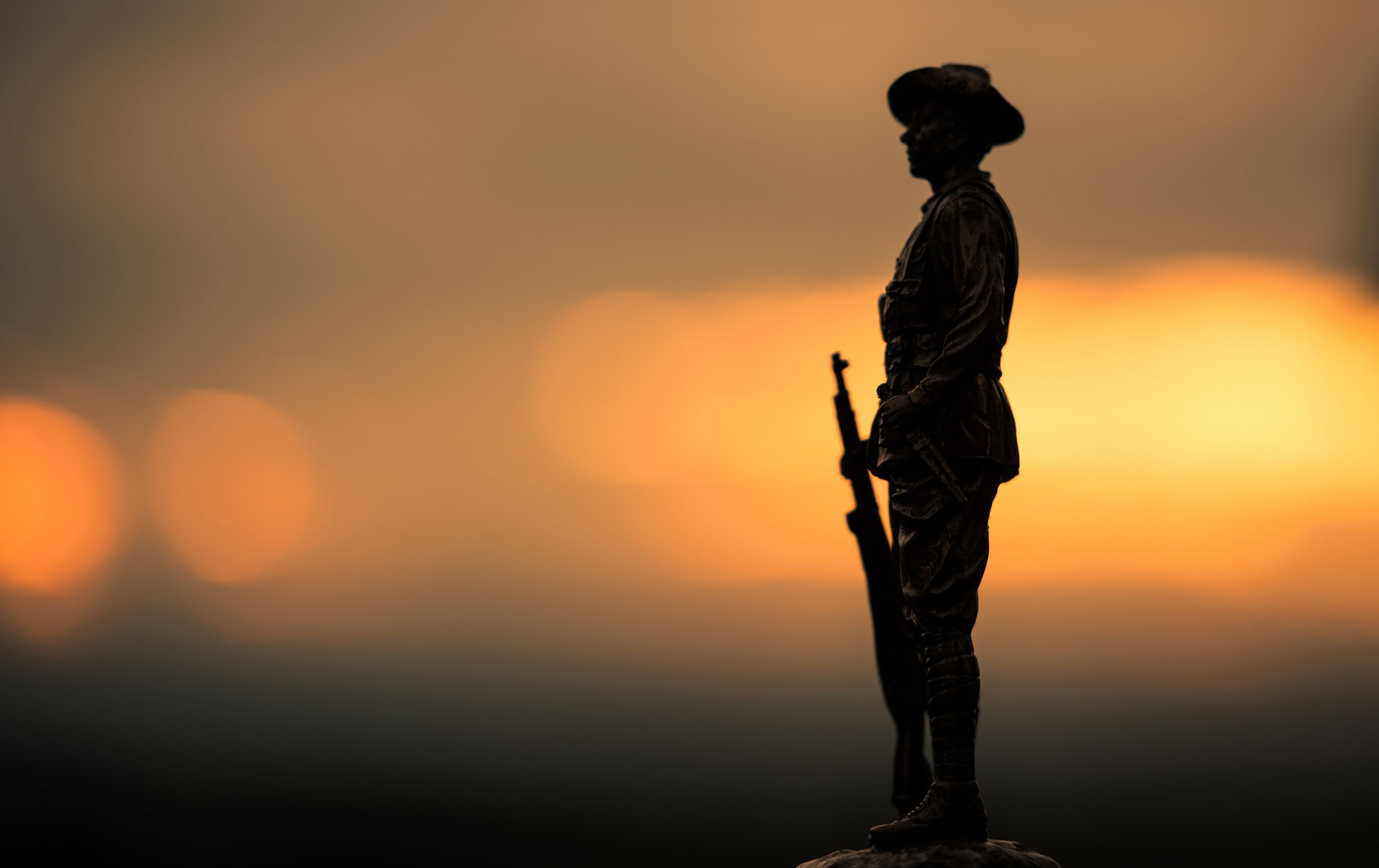
Background and Historical Significance of Gallipoli
The Gallipoli campaign, fought during World War I, is one of the most significant military engagements in the histories of Australia, New Zealand, and Türkiye. This campaign occurred on the Gallipoli Peninsula between April 25, 1915, and January 9, 1916. It was a joint British and French operation aimed at capturing the Ottoman capital of Constantinople (now Istanbul) to secure a sea route to Russia and knock the Ottoman Empire out of the war.
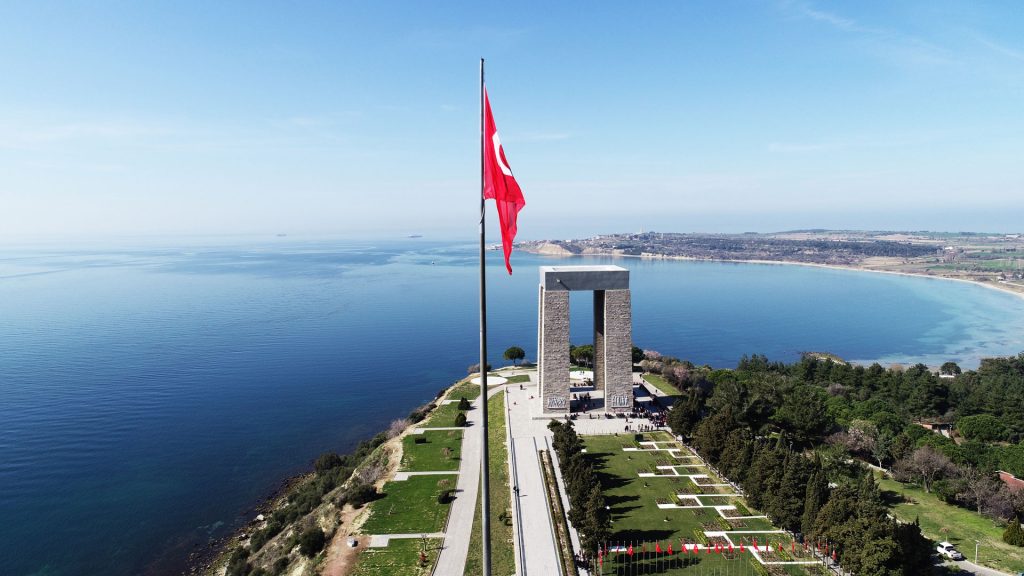

Background
The campaign began with a naval attack by Allied forces in the Dardanelles Strait, followed by an amphibious landing on the Gallipoli Peninsula. The primary objective was to open a new front, break the stalemate on the Western Front, and encourage Balkan states to join the Allies against the Central Powers. However, the Allies faced formidable resistance from the Ottoman forces, who were strategically well-prepared under the command of Mustafa Kemal (later known as Atatürk).
The ANZAC’s and the Gallipoli Campaign
The Gallipoli campaign holds a special place in the national consciousness of Australia and New Zealand due to the involvement of the Australian and New Zealand Army Corps (ANZAC). April 25, known as Anzac Day, is commemorated annually in both countries to honour the bravery and sacrifice of the soldiers who fought at Gallipoli.
The ANZACs landed at what is now known as Anzac Cove and encountered fierce opposition. The rugged terrain and strong Turkish defence led to a prolonged and gruelling conflict characterised by trench warfare, similar to the Western Front. Despite their courage and determination, the ANZAC forces and Allied counterparts could not achieve their military objectives.
Significance for Türkiye
For Türkiye, the Gallipoli campaign is a defining moment in its history. The successful defence of the peninsula was a pivotal victory for the Ottoman Empire, boosting national morale and contributing to the rise of Mustafa Kemal Atatürk as a national hero. Atatürk’s leadership and strategic acumen during the campaign were instrumental in forming the modern Turkish Republic, which he founded in 1923.
Legacy and Commemoration
The Gallipoli campaign resulted in heavy casualties on both sides, with approximately 250,000 Allied and Ottoman soldiers wounded or killed. The shared suffering and respect that developed between the opposing forces have become a powerful symbol of reconciliation and peace. The words of Mustafa Kemal Atatürk in 1934, expressing compassion for the fallen Allied soldiers, resonate deeply in the commemorations held each year.
Friends of Gallipoli honours this legacy through various initiatives, including annual commemorations, educational lectures, and the preservation of historical sites. By promoting understanding and friendship between Australia and Türkiye, the organisation ensures that the lessons of Gallipoli continue to inspire future generations.
The Gallipoli campaign remains a poignant reminder of the cost of war and the enduring power of courage, resilience, and mutual respect. Through remembrance and education, we keep the spirit of Gallipoli alive, fostering a shared commitment to peace and international friendship.